Why Does Pasture-Raised Chicken Cost More?
Jun 29, 2026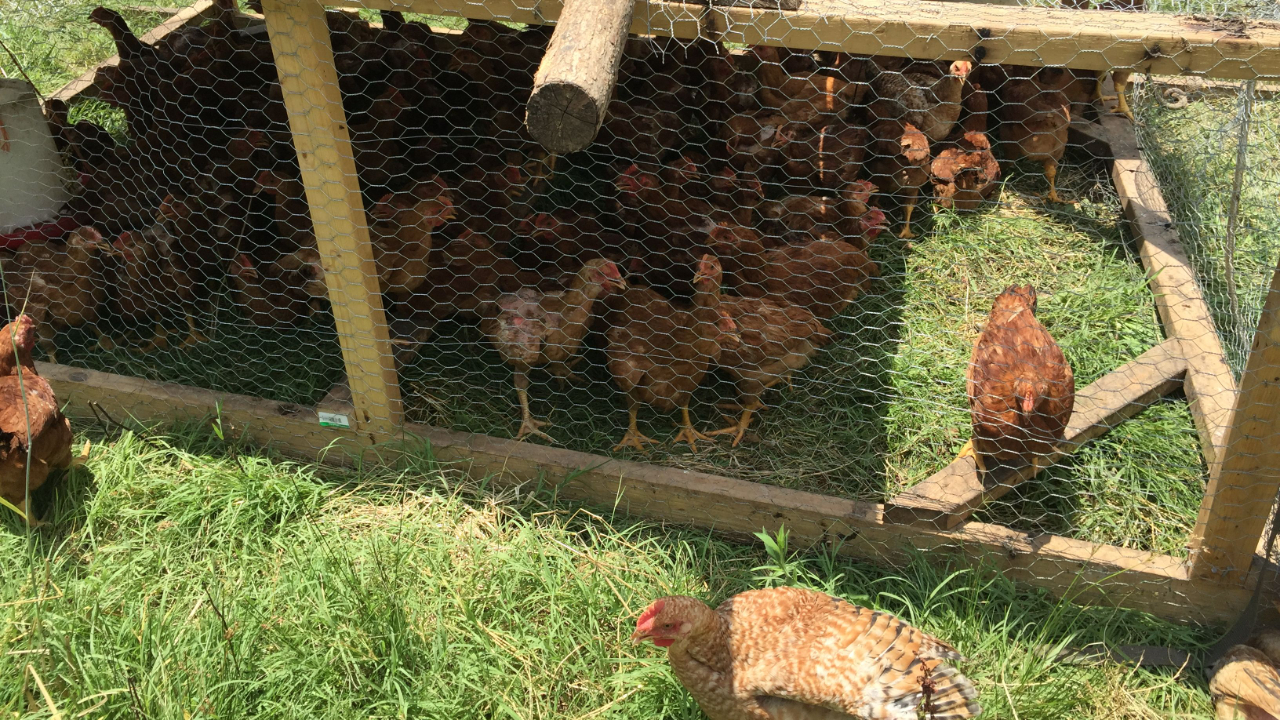
Why Does Pasture-Raised Chicken Cost More?
Last Updated: June 2026
Author: Drew Grim, Pasture Doctor
Quick Answer
Pasture-raised chicken costs more because it takes more time, more labor, more land, and more management than conventionally raised chicken. Every bird is raised outdoors on pasture, moved regularly to fresh grass, and processed with far more hands-on work than most people realize.
While the price is higher, many families choose pasture-raised chicken because they value local farms, better animal welfare, healthier soil, and knowing exactly where their food comes from.
In This Article
-
Why pasture-raised chicken costs more
-
What are the biggest expenses?
-
Why processing adds so much labor
-
How using the whole bird reduces waste
-
Is pasture-raised chicken worth it?
Why Is Pasture-Raised Chicken More Expensive?
The biggest reason is simple:
It takes much more work to raise chickens on pasture.
Every day the birds need to be:
-
Moved to fresh pasture
-
Given fresh feed and water
-
Checked for health
-
Protected from predators
-
Monitored throughout the day
Unlike large commercial poultry houses where thousands of birds stay inside one building, pasture-raised chickens require daily hands-on management.
That labor adds up quickly.
Does Pasture-Raised Chicken Take Longer to Raise?
Yes.
Pasture-raised birds generally grow more slowly than the chicken found in most grocery stores.
That means:
-
More days on the farm
-
More feed consumed
-
More labor invested
-
More daily care
Every additional week represents another week of expenses before the bird is ready for harvest.
Feed Is One of the Largest Costs
Quality feed is expensive.
Healthy birds require balanced nutrition, and feed prices have increased significantly over the past several years.
Although chickens spend time on pasture eating insects and foraging, pasture supplements their diet—it does not replace their feed.
Good feed remains one of the largest costs of raising poultry.
Processing Is More Work Than Most People Realize
Many people imagine processing ends when the bird is cleaned.
In reality, that's where another round of work begins.
Every bird may need to be:
-
Cut into retail cuts
-
Weighed
-
Vacuum sealed
-
Labeled
-
Frozen
-
Stored
Recently, we processed a batch of pasture-raised chickens into breast packs, leg quarters, chicken salad, and homemade broth.
The cutting, packaging, weighing, cleanup, and freezer organization alone required hours of additional labor after the birds had already been raised.
Processing is one of the hidden costs that many people never see.
We Try to Use the Entire Bird
One of the best ways to improve the value of a pasture-raised chicken is to waste as little as possible.
On our farm:
-
Larger birds often become breast packs and leg quarters.
-
Smaller birds are ideal for chicken salad.
-
Carcasses become rich homemade chicken broth.
-
Feet become nutritious dog treats.
Using the entire bird helps recover more value while honoring the resources that went into raising it.
The Hidden Value Is Healthy Soil
One of the biggest differences between pasture-raised farming and industrial production is that the land matters.
When chickens are managed correctly on pasture:
-
Nutrients are spread naturally.
-
Soil biology improves.
-
Organic matter increases.
-
Future pasture productivity benefits.
Good farming isn't just about producing meat.
It's about leaving the land healthier than when you started.
Is Pasture-Raised Chicken Worth It?
That depends on what you value.
If you're simply looking for the lowest price per pound, conventional grocery store chicken will almost always cost less.
If you value:
-
Supporting local farms
-
Knowing where your food comes from
-
Better animal welfare
-
Healthy pasture and soil
-
Food raised with care
then pasture-raised chicken often becomes a worthwhile investment.
What We've Learned on Our Farm
One of the biggest lessons we've learned is that pricing pasture-raised chicken isn't simply about charging more.
It's about understanding the real cost of producing food responsibly.
From raising birds on fresh pasture every day, to processing, packaging, and finding ways to use every part of the bird, each step requires intentional management.
The goal isn't expensive chicken.
The goal is producing exceptional food while caring for the land and building a farm that can continue serving families for years to come.
Frequently Asked Questions
Is pasture-raised chicken healthier?
Many families choose pasture-raised chicken because of the birds' outdoor lifestyle, fresh air, and access to pasture. While nutritional differences vary, many buyers also value the farming practices and transparency that come with buying directly from a local farm.
Why does local chicken cost more than grocery store chicken?
Local farms operate on a much smaller scale and invest significantly more labor into every bird. They also do not benefit from the purchasing power and economies of scale available to industrial poultry companies.
Does pasture-raised chicken improve the environment?
When managed well, pasture-raised poultry can improve soil health by naturally distributing manure, encouraging biological activity, and supporting healthier pasture systems.
Why don't pasture-raised farms just lower their prices?
Because the costs are real. Feed, labor, processing, packaging, equipment, and land management all contribute to the final price. Lowering the price below the true cost simply isn't sustainable for most small farms.
Final Thoughts
Pasture-raised chicken costs more because it is produced differently.
Every bird represents daily care, careful management, thoughtful processing, and a commitment to producing food in a way that benefits both the people eating it and the land it was raised on.
For us, that extra work is worth it. We believe good farming should produce not only healthy food, but healthier farms as well.
About the Author
Drew Grim is the founder of Pasture Doctor and raises pasture-based livestock in North Carolina. His work focuses on practical grazing management, healthy soils, and helping farmers build profitable pasture-based systems through real-world experience.
Join the mailing list
We hate SPAM. We will never sell your information, for any reason.